Start of potato campaign 2025: first potatoes delivered in Gasselternijveen
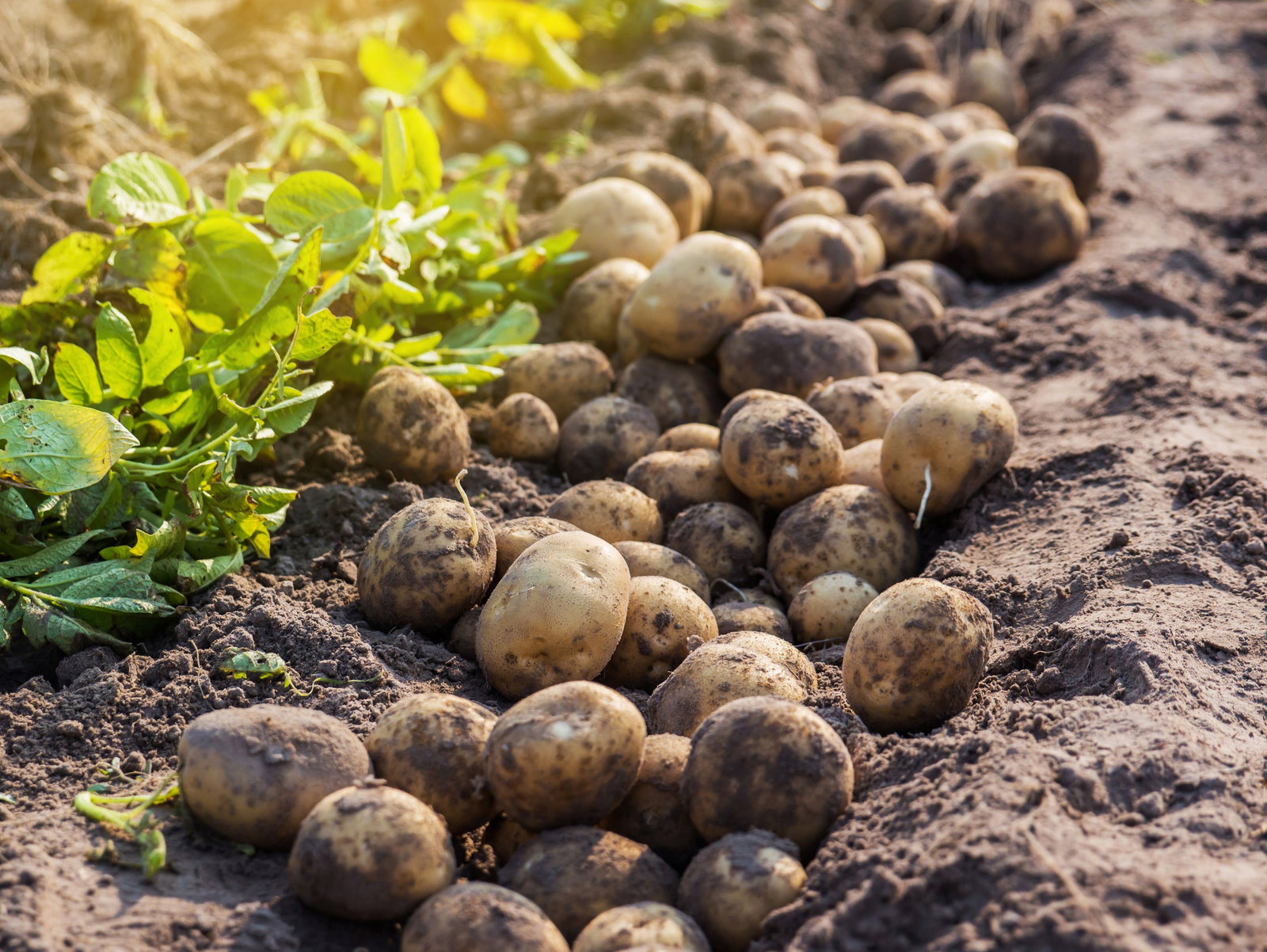
This week marked the start of the 2025 potato campaign. Over the coming months, potatoes will be delivered to our factories six days a week, where they will be processed into potato starch and potato protein.
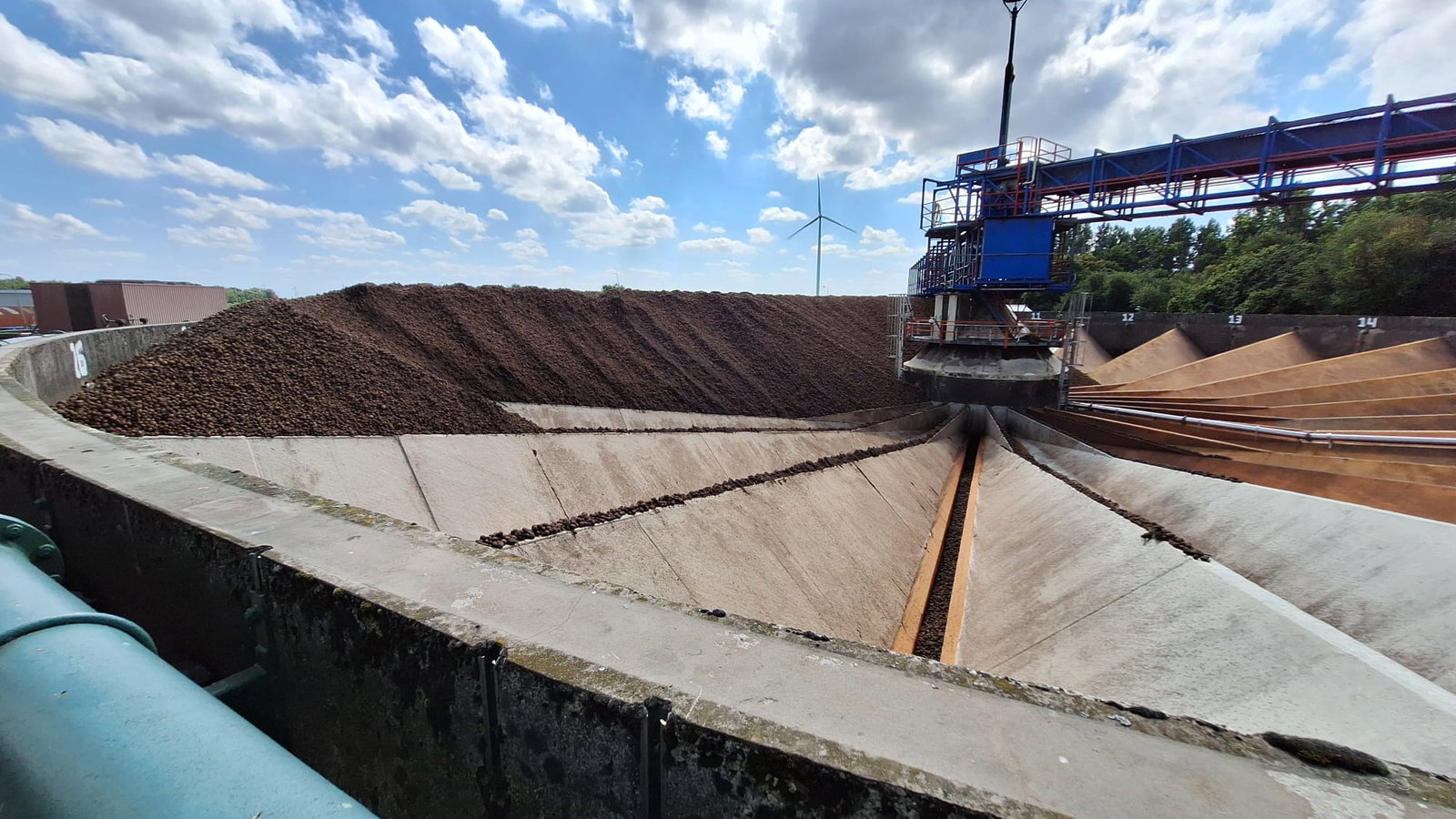
The factory in Gasselternijveen was the first to start processing. The location in Ter Apelkanaal will follow next week, as will the German factories in Dallmin and Lüchow.
Planting conditions and the growing season were generally favourable this year. The crops are therefore looking good.
Royal Avebe strengthens market position with acquisition of Solan
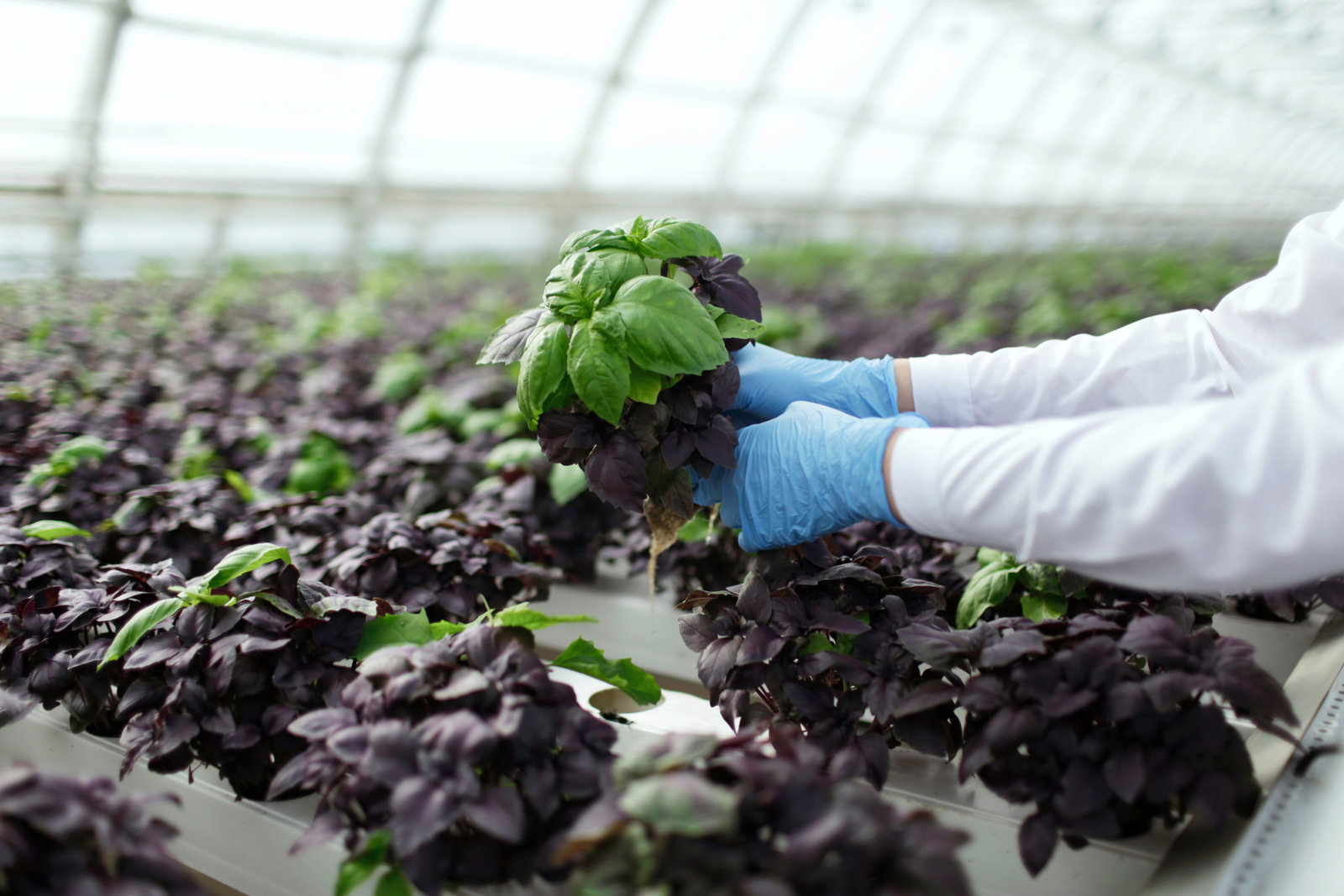
Expansion of product portfolio with flakes and granules
CEO Avebe, David Fousert: “With Solan, we accelerate access to knowledge and experience in processing potatoes into flakes and granules and commercialise them. We can expand our product portfolio and it will contribute to Avebe’s growth.”
Strategy Accelerate and Strengthen
Avebe’s decision to enter the flakes and granules market is in line with its strategy Accelerate and Strengthen. “We therefore welcome the proven technology, existing customers and experienced team of Solan to Avebe with great enthusiasm,” said Fousert.
Diversification product portfolio
Flake potatoes have gained ground in the potato market in recent years. By adding flakes and granules to its product portfolio, Avebe is fulfilling a growing global demand from its customers for a broader and more integrated potato-based range. The trusted name will continue as the brand SOLAN® within the Avebe portfolio. Fousert: “Customers can rely on one integrated supplier and will have access to a more complete portfolio of potato solutions. Of course, with the quality, service and support from Avebe as they are used to. Moreover, this acquisition offers – with our technical expertise and global network – opportunities to further innovate within a more complete range of potato products.”
Leading regional employer
Solan has a production site in Głowno, Poland. There are two production lines: a line for flakes and a granules line. With over 100 employees, Solan is a leading regional employer. With the acquisition, Avebe is 100% owner of Solan.
Further develop potato crop
Solan works closely with some 140 arable farmers and has a regional network for its raw material supply. Avebe sees good opportunities to further develop potato cultivation in the region. Among others for breeding company Averis, 100% subsidiary of Avebe, there is potential with the variety package.

Tomasz Lorenz from Solan (left) and David Fousert from Avebe.
Royal Avebe sets base price for 2025 growing season at 110 euros
Royal Avebe has set the base price for A-volume potatoes for the 2025 growing season at 110 euros per ton. This represents an increase of nearly 5% compared to the previous season.

In the 2024 growing season, the base price for A-volume was 105 euros per ton, with the final campaign price reaching 115 euros per ton. This year, the base price has been set at 110 euros per ton of potatoes with 19% starch content, including a member premium of 5 euros per ton. The final campaign price will be announced by Avebe after the potato campaign concludes in May 2026.
David Fousert, CEO of Royal Avebe, stated: “Despite many uncertainties in the world, we have managed to continue the upward trend in the base price. Examples of these uncertainties include global geopolitical tensions, fluctuations in the euro/dollar exchange rate, and the import tariffs in the United States. While we have little control over many of these developments, they do impact Avebe. Thanks to our strategy Accelerate and Strengthen, we are more agile and resilient. This enables us to set a higher base price even under these challenging circumstances.”
Progress on strategy Accelerate and Strengthen
On Tuesday, 1 July, the Avebe Members’ Council was updated on the progress of the strategy Accelerate and Strengthen during its council meeting. The cooperative is making clear progress. Distinctive value is being created with Avebe’s products, with the customer at the heart of these efforts.
There are several promising developments in new applications of Avebe’s product portfolio. Additionally, the Avebe acreage for starch potatoes has grown slightly. As anticipated in this strategic period, this growth is primarily taking place in Germany.
Field conditions
Starch potato crops have shown strong growth in recent weeks, partly due to the early spring. In both the Netherlands and Germany, crops are currently about 10 days ahead of the average growing season. Avebe is tracking crop growth and development through regular harvest sampling.
Royal Avebe sets campaign price crop 2024 at €115 per tonne potatoes
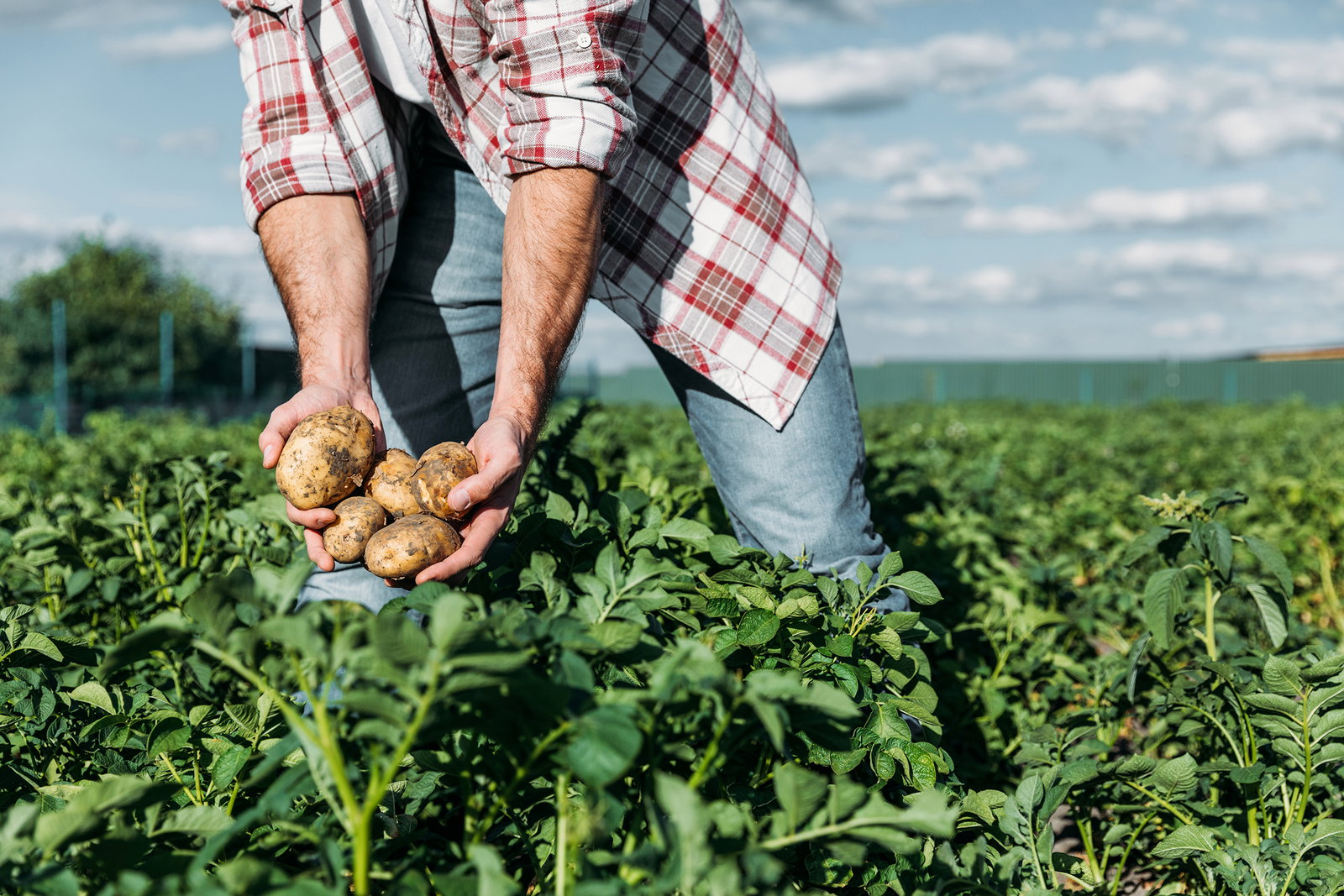
Price development matches ambition to strengthen member perspective
Royal Avebe has now processed all potatoes from the 2024 campaign. The cooperative ends the growing year positively with a higher processing volume than originally planned. The base price for the A-volume of €105 per tonne of potatoes (including €5 members’ bonus) is increased by €10 per tonne. This will bring the campaign price to €115 per tonne of potatoes. The additional payment of €10 per tonne will be distributed to members in early June 2025.
Higher payout price due to performance components
Besides the campaign price, growers receive performance components such as premiums for starch content, delivery time, quality and full A-volume delivery. A comparison of the ex-farm payout price shows that it is about 20% higher than last year.
Growth in line with ambition
Recent years show a clear increase in both the base price and the campaign price. In crop year 2020, the campaign price was still €72.50 per tonne, while in 2024 it rose to €115 per tonne. This development reflects Avebe’s commitment to increase its members’ earning power.
Distribution of cooperative result in December
A distribution from the cooperative result will follow after the annual meeting with the members’ council on 9 December 2025. This depends on Avebe’s financial year-end result on 31 July 2025.
Outlook campaign 2025
The planting season got off to an early start this year. Almost all potatoes have been planted in both the Netherlands and Germany, some two to three weeks earlier than last year. There is more interest in starch potatoes in the cropping plan than last year. This increase underlines Avebe’s steady growth and fits well with its ambition to expand further in the market.
With the strategy Accelerate and Strengthen, the cooperative focuses on strengthening its market position and increasing the distinctive, added value of potato starch and potato protein. In doing so, Avebe works in a targeted way to accelerate the earning capacity of its members.
Royal Avebe hires Saskia de Groot as new CHRO
On 1 June 2025, Saskia de Groot will join Royal Avebe as CHRO. She succeeds Nico Buijs, who left Avebe earlier this year.
Saskia de Groot has extensive experience as HR director and held this position at several companies, including GoodLife Foods, Nature’s Pride and Royal A-ware. De Groot will work on effectively and efficiently positioning HR within the organisation. In doing so, she will continue to build a safe, pleasant and inspiring working environment.
Board chairman David Fousert: “We are very pleased that Saskia has joined Avebe. With her extensive HR experience, she will be of added value to Avebe. I look forward to working with her to achieve Avebe’s strategic goals as one team.”
As CHRO, De Groot joins Avebe’s Executive Committee. In addition to De Groot, it consists of:
David Fousert, CEO
Rob van Laerhoven, CFO
Chris Hollebek, CCO
Klaas Hidde Kuipers, COO
Marleen de Rond-Schouten, managing director Agro

End of potato campaign 2024-2025 Royal Avebe
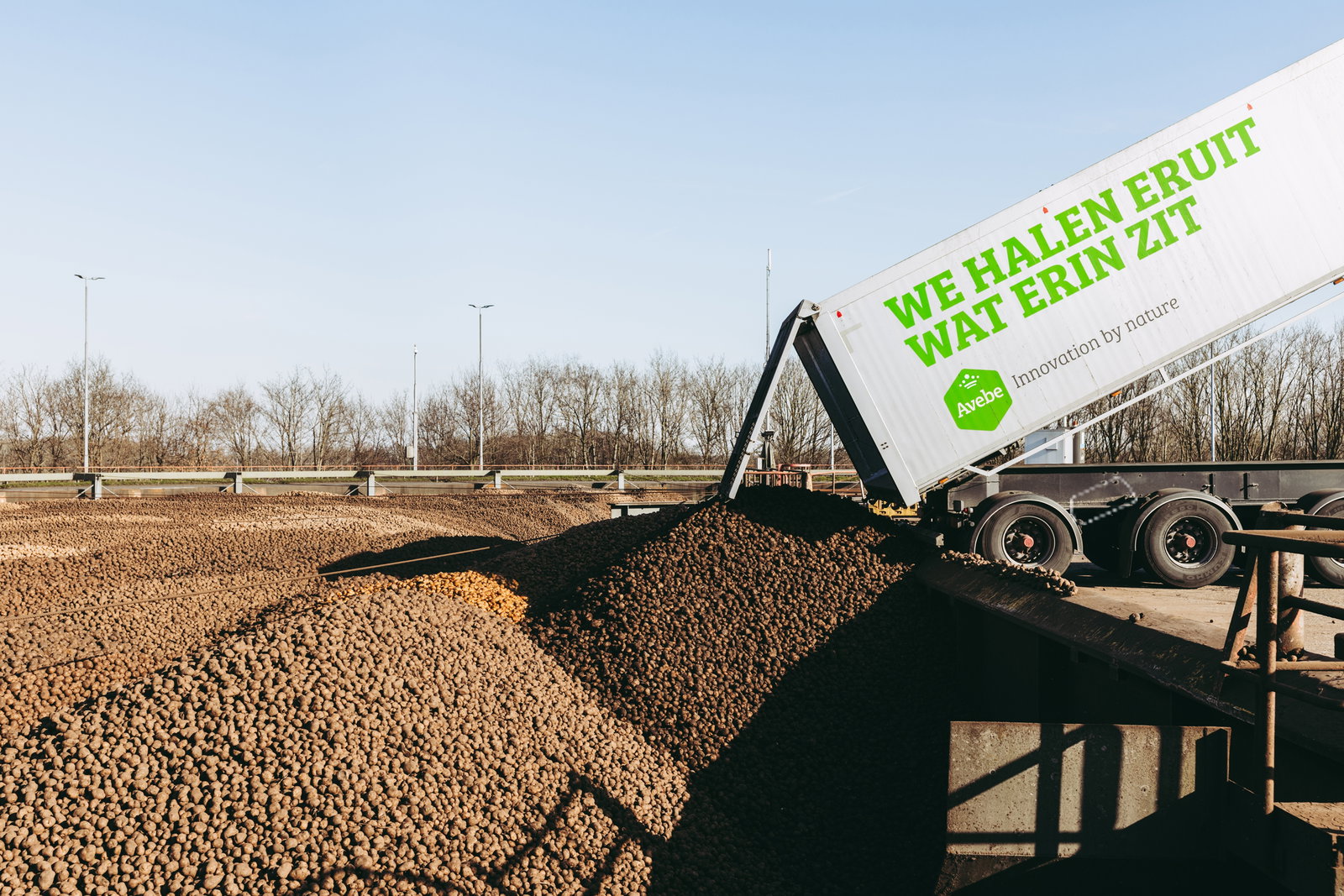
Over the past few days, the last potatoes have been processed at the Ter Apelkanaal factory. This brought an end to Royal Avebe’s 2024-2025 potato campaign. On schedule, processing at the Gasselternijveen site and the German production sites Dallmin and Lüchow stopped in early February. Besides starch potatoes, potatoes from other markets, such as french fries and flake potatoes, have also been processed in Ter Apelkanaal in recent weeks.
For the Dutch locations, the starch content comes out to an average of 20.4 per cent. The average tare percentage – the soil that comes with the potatoes from the land to the factory – is 4.7 per cent over the last campaign. Avebe will announce the campaign price at the end of May.
Wet spring and short growing season
For growers, 2024 was the second wet spring in a row. This caused large regional differences in emergence and growth. From May onwards, weather conditions improved for growth. In many places, disease pressure then also increased, especially phytophthora. Despite the challenges and the short growing season, the 2024-2025 growing year will go down in the books as a year with comparatively good yields.
Planting season started
Avebe’s farmer members have now started the new crop year which started early this year. Spring work in the fields is currently running smoothly. On the production sites, the intercampaign has started, during which maintenance work in the factories takes place. Avebe also has factories that are operational throughout the year, as are sales of potato starch and potato protein that continue throughout the year.
Blog: The Potato Protein Journey of Royal Avebe

Royal Avebe is fully committed to the role our potato protein can play in the protein transition. We have discovered that potato protein possesses unique properties such as foaming, gelling, and emulsifying. This results in high-quality ingredients for plant-based foods and animal feed. Together with customers, we continuously develop our potato protein, focusing on applications where it can add nutritional value. Avebe is one of the largest producers of plant-based protein in the Netherlands.
How it began
In the late 1970s, potato juice was discharged into local canals, causing foam and nuisance. Although this was common practice at the time, Avebe found it undesirable, and the law was changed. We then looked for a solution for this waste stream. An alternative process was needed to remove the protein from the potato juice, after which the juice could be concentrated for agricultural applications such as fertilisation. In the late 1980s, we developed a coagulation process where the protein flocculates through steam. This resulted in the products Protamyl, used in animal feed applications, and Protastar for pet food.
In the 1990s, membrane technology was used to extract potato protein, but it was not applicable on a large scale. After extensive research and the search for new techniques, we succeeded in extracting protein from the potato in liquid form in 2007. What was initially only suitable for animal feed, Avebe can now also use the extracted potato protein for human food. The first potato protein factory was opened in Gasselternijveen.
Perfectly soluble while maintaining functionality
What is particularly unique about potato protein is that it is highly soluble while maintaining high functionality. We discovered that certain potato proteins can foam, gel, and emulsify excellently. This can be applied in plant-based bakery products such as meringue and macarons, or in plant-based confectionery. Our potato protein also provides a perfect texture to plant-based meat or dairy, such as in 3D-printed steaks.
Over the years, the demand for plant-based products has steadily increased. Due to changing legislation, manufacturers were required to list allergens on labels. A benefit of potato protein is that it is allergen-free. Our innovation centre on the campus in Groningen is designed in a way that we can continue to develop together with the customer. At this location we have a pilot plant for protein extraction research and various laboratories where we develop product applications. For example, we have a lab specifically for the development of plant-based dairy applications, a lab for plant-based meat substitutes, and a lab where gelatin-free confectionery is developed.
New applications
There are many developments in various markets that demand more sustainable raw materials, new ingredients, and healthier food. A great example is that we recently won the World Plant-Based Innovation Award at the Bridge2Food event in America with our PerfectaSOL® in plant-based fermented yoghurt. There is also an increasing need for bio-based (green) alternatives in new markets for Avebe, such as personal care.
We also see new opportunities in the food market. The focus in food often lies on the texture that we can improve with our potato protein. We are investigating whether our products can also contribute to higher nutritional value in food and whether special properties of our proteins can add extra value in specific applications. Many plant-based food sources can lead to a deficiency of important amino acids, but this is not the case with potato protein. Therefore, our protein is suitable for applications where the nutritional value of protein is important. Thus, we go from ideal to business with impact.
It is not only market trends that drive producers to become more sustainable. Often new guidelines or regulations play a role, such as an upcoming ban on microplastics, emerging sustainability labels, or the well-known Nutriscore label on food products. These developments offer plenty of opportunities for Avebe.
Just add some Potato for a World of Difference

What is CasuCOL®?
CasuCOL® modified potato starches are thickeners for gypsum or cement-based mineral binders. These ingredients make plasters, mortars, and adhesives easier to work with by improving adhesion and handling time. Furthermore, adding CasuCOL® reduces the risk of sagging in applied layers.
How does CasuCOL® improve plaster quality?
CasuCOL® starches are cold-water soluble. Even in very small concentrations, this binder makes plasters and mortars smoother and improves their consistency. Plasterers using plasters with CasuCOL® have more time to work with the material.
Benefits of CasuCOL®
- Faster stabilisation makes plaster easier to mix and gives it a longer handling time.
- Improved adhesion and higher consistency guarantee excellent results.
- Avebe provides expertise, service, and support in determining the right mixing ratios for the required functionalities and performance.
Avebe develops and produces high-grade additives based on starch. Our products improve construction materials, and in turn that ensures increased performance and optimum ease of use.
Enhance your plasters and mortars with one ingredient
One ingredient simplifies the application of plasters and mortars, enhances the quality of the final result, and contributes to sustainability. Would you like to know what CasuCOL® starches can do for your construction materials? Contact our experts and discover the possibilities.
The right materials make plastering easy
“Plastering only becomes easy when you work with the right materials,” says Peter from Stucadoorsbedrijf Peter Jansen. “People often try to do it themselves, and it goes wrong. Then they ask me to finish the job with their materials. I never do that. The plaster people buy themselves just can’t compare to what I use – even if the bags and brands look identical.”
Poor materials deliver mediocre results at best. Low-quality plaster can clump, sag, or discolour. Peter explains: “Good plaster stays put, even when you need to apply it thickly. Bad plaster will drip under its weight. If your plaster starts sagging while you’re spreading it, it’s going to be a right mess.”
Let plaster stabilise
To adhere properly, plaster needs time to stabilise. Peter explains: “DIYers tend to keep the plaster moving for too long. That doesn’t give the material the chance to settle. Just like concrete won’t harden as long as it’s rotating in a concrete mixer, plaster won’t harden if you keep spreading it.”
That’s why plasterers take long breaks between the different steps of the plastering process. Peter: “If you wait five minutes too little, you could end up working an hour longer. But waiting too long isn’t good either; then the plaster hardens too much. That’s why we use our fingers to feel how wet the plaster is. It takes a lot of experience to know exactly when to start working again.”
Potato starch in plaster materials?
Early 2024, Peter and his son Sietse participated in a photoshoot for Avebe’s building solutions. Peter: “We plastered several walls on set, which was captured by a film and photography crew.”
However, Peter didn’t know in advance that the plaster used on set contained Avebe’s CasuCOL®, an ingredient based on potato starch. This ingredient improves the adhesion, handling time, and stability of plaster and similar materials.
Peter recalls: “When I heard that my plaster contained potatoes, I thought, ‘Excuse me?’ My colleagues were just as surprised. It’s not something you think about – that you could have potato starch as an ingredient in plaster materials.”
Plaster with CasuCOL® meets all of Peter’s high quality standards. “Plaster needs to stay in place and not sag, even when it’s applied thickly. Potato starch makes a difference here. I noticed I could apply the plaster thickly without it dripping. It’s also what we plasterers call ‘fattier,’ meaning it is quicker to mix and easier to spread.”
The right plaster for every job
For Peter, the exact ingredients of plaster aren’t a top priority when he chooses materials. Plasterers are mainly interested in quality, handling time, and suitability for the job.
Peter comments: “I’ve got all kinds of plaster in my van. I always have the right material for every job. If I’m plastering an entire ceiling, I’ll choose plaster with a long handling time. To repair a damaged wall, I’ll use fast-drying plaster so I can keep moving.”
Special plasters are available for specific applications and surfaces. Peter adds: “For plasterboard, I use plaster that doesn’t require a primer. For other jobs, I have different materials. For example, I use a special mortar for tile walls. If I apply it 8 cm thick in the morning, I can start tiling in the afternoon. You wouldn’t want to try that with regular mortar.”
For Peter, quality always comes first. “I need to be able to rely on my materials. They can’t be too heavy, they need to stay in place, and they have to spread easily. I’m very satisfied with the products I use. Thanks to the Avebe photoshoot, I now know that one secret ingredient can make all the difference.”
Work with Royal Avebe to Create Your Own Premium products
If you’re interested in working with us to develop products your customers will really love, feel free to contact our team of experts today.
“Plastering only becomes easy when you work with the right materials”
Royal Avebe talks potatoes on the Food Matters Live Podcast

Royal Avebe is partnering with Food Matters Live in a series of new podcast episodes about the amazing history, versatility, and untapped potential of the humble potato. The potato plays a huge role in the global food industry and has been a core ingredient in many of our diets for centuries, but there’s a lot more to the potato than at first meets the eye…
At Royal Avebe we know the enormous potential of the potato. Potato proteins, starches and fibres are fast becoming the ideal, versatile ingredients, helping meet the demands of the growing plant-based, clean label revolution.
From perfectly textured plant-based hotdogs to deliciously creamy dairy-free desserts, potato proteins and starches are impressively adaptable and 100% natural. This means they’re GMO and e-number free; the perfect plant-based alternative to many meat, dairy and gelatin products.
Episode 1: The secrets within – how the potato is reshaping the food industry
In this first episode, Royal Avebe takes listeners on a fascinating journey of how our favourite root vegetable started life as an exotic foodstuff, before becoming one of the biggest food crops in the world.
Our Royal Avebe experts, Goos Wierbos and Annelies Huisingh, join host and BBC presenter Stefan Gates to tackle two burning questions:
- What can the potato offer in today’s cutting edge food industry?
- What secrets are still inside the potato waiting to be discovered?
About Goos Wierbos, Business Leader, Food
Goos has been Royal Avebe’s Business Leader in Food, leading our international sales since 2021. As an agricultural engineer with a master’s in Business Administration, Goos is an expert on the science of the potato and global food markets.
About Annelies Huisingh, Marketing Director
As Marketing Director for Royal Avebe, Annelies’ key focus lies in ensuring the customer is at the heart of Avebe’s approach. As a published author with over 25 years’ experience in Marketing, Sales and Innovation, Annelies is an expert on consumer trends and harnessing the power of innovation.
About Food Matters Live podcast
Starting life as Table Talk back in 2019, the Food Matters Live podcast tackles the big issues facing the food and drinks industry. Providing insightful and thought-provoking conversations with leading professionals, scientists and academic experts, the podcast boasts over 7,500 industry listeners from over 70 different countries across the globe.
Creating vegan/gluten-free plant-based meat with a coating that sticks
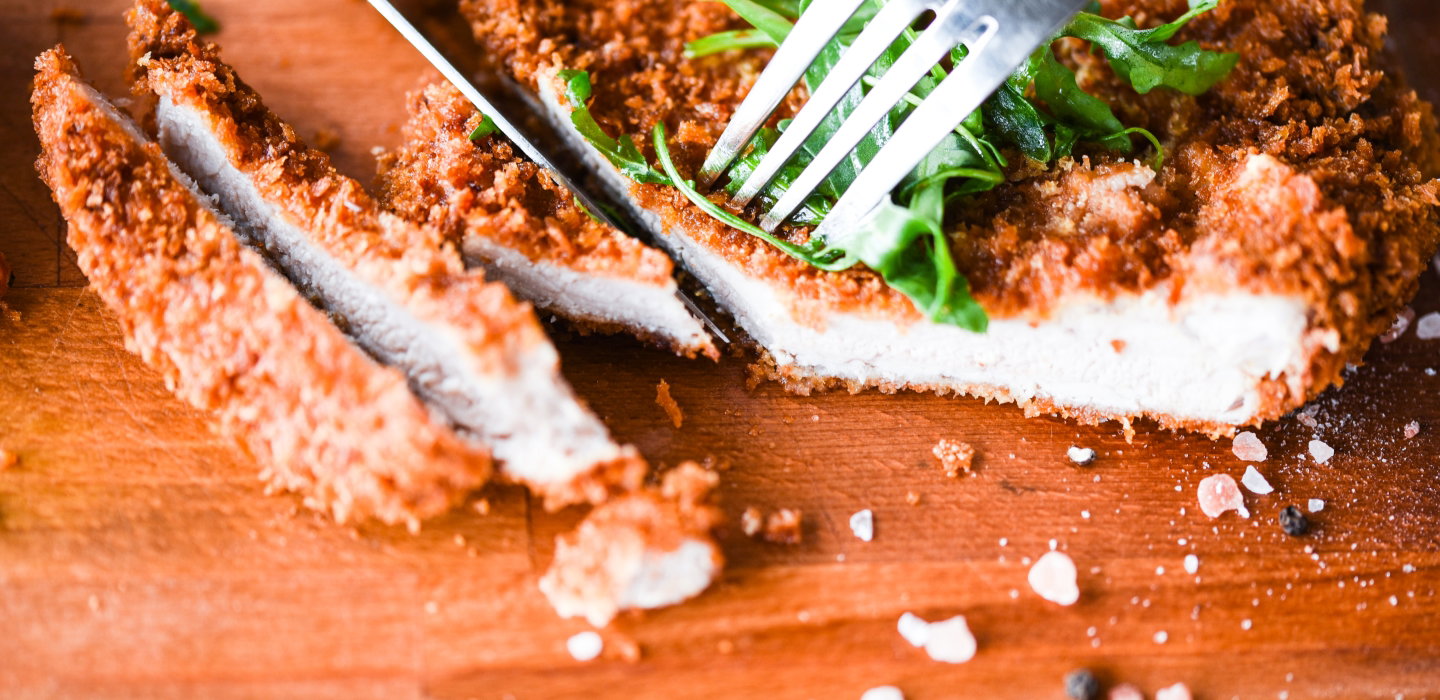
Achieving ‘Real-Feel’ Coatings for Plant-Based Meat Alternatives is Difficult, but Crucial
‘Some important changes are taking place in the plant-based meat and fish world right now. The variety of substrates being used is growing, with dry TVP, HME (high-moisture extrusion), and mycoprotein now being commonly used. There is also a growing demand for gluten-free and vegan (plant-based) meat alternatives.
This adds extra complexity when it comes to achieving the “real” nugget/schnitzel experience that consumers are demanding. To satisfy consumers, coatings of plant-based meat and fish products need to stick to the substrate before, during, and after frying and should be freeze and thaw stable. They should also remain crispy after frying.
Plant-based meat producers have difficulty achieving this, no matter what coating type is applied, be it wheat-based, corn-based or gluten-free flour-based. Especially while also trying to serve the demand for gluten-free and vegan products. (Egg, wheat, and soy-based batters and pre-dusts are usually used to adhere coatings to the substrate. None of these are vegan and gluten-free, and they don’t always stick well after frying either).
By acknowledging these changing consumer demands, and understanding the limitations of commonly used plant-based meat ingredients, it is possible to find solutions here. Thankfully, new and innovative ingredients are being developed that can be used to give consumers what they’re looking for.
One such ingredient is PerfectaSOL® S 200.’
What is PerfectaSOL® S 200?
‘PerfectaSOL® S 200 is a potato protein isolate we’ve developed at Royal Avebe, which forms a strong, irreversible gel upon heating, similar to egg white protein. It is a unique plant protein because it combines this functionality with a high nutritional value, a low ecological footprint, and a free-from-allergen labelling status (according to EU labeling legislation). No other plant-based protein offers all of these advantages.’
How Does PerfectaSOL® S 200 Solve the Coating Issue?
‘The idea of using PerfectaSOL® S 200 to help make plant-based meat coatings stick came about by experimenting with the ingredient. We investigated this idea in our lab, and confirmed that it works using different coating types and substrates. (Wheat-based, cornflake-based, and gluten-free coatings, with plant-based meat and fish products based on mycoprotein or TVP).
To get the best results, PerfectaSOL® S 200 should be used as a pre-dust in combination with a ‘clean label’ potato starch-based batter. The substrate product of choice can simply be dipped in the PerfectaSOL® S 200 powder. Thanks to the powder’s unique gelation properties, doing this provides excellent adhesion even after frying. With the adhesion unaffected by the freeze/thaw cycle.
That crispy, real nugget experience is achieved and maintained. And of course, the resulting product will be egg- and gluten-free, keeping it both vegan and clean label.’
Advantages of Using PerfectaSOL® S 200
‘PerfectaSOL® S 200 is the best pre-dust option available for achieving ‘real-feel’ plant-based meat & fish coatings.
We know this because we’ve experimented with other pre-dust options too. We’ve used egg white, wheat flour, corn starch, other plant proteins like soy and pea. And no pre-dust, as a reference. Egg white powder (non-vegan) was the only other option that made the coating stick sufficiently.’
‘From our experiments, we’ve found that PerfectaSOL® S 200 offers the following advantages compared to these other options:
- Superior adhesion when used as a pre-dust.
- Excellent freeze/thaw stability.
- Ease of use when used as a pre-dust.
- Low pick-up %. (2-3 times less than tested alternatives).
- Highly versatile, as it works well with different coatings and substrates.
- Facilitates the creation of vegan and gluten-free coated plant-based meat alternatives.
- Makes the use of egg, wheat, and soy redundant.
- More sustainable than other proteins.
Keeping Things Real and Crunchy, with all the Right Labels
‘Much like my business friend, more and more consumers today want plant-based meat alternatives that “feel real”.
For products with coatings, consumers need to experience the kind of crunch you get with a regular chicken nugget. They want the coatings to stick in a similar way too. And they want all this to be possible in combination with vegan and free from allergen-labelling.
Achieving all of this in one is impossible with most commonly used batters and pre-dusts. Egg, wheat, and soy-based options simply cannot deliver everything the modern consumer demands.
But PerfectaSOL® S 200 can. The superior adhesion it provides helps to keep things real and crunchy, with all the right labels attached.
It’s the perfect solution for ensuring that plant-based meat alternatives continue to grow in popularity.’
How to overcome the fragile coating of plant-based meat & fish
‘A business friend recently explained to me that the main thing stopping them from embracing plant-based chicken nuggets is the “fragile coating”. As soon as you bite into them the coating just peels right off. The taste is okay, but the crunch goes missing. It just doesn’t “feel real”.
The truth is, it’s not just my friend who’s been experiencing this issue. For all kinds of plant-based meat alternatives, achieving a crunchy coating that sticks to the substrate can be very challenging. Achieving this with vegan and free-from-allergen labelling is even more difficult.
Finding a way to solve this issue is of course very important for anyone invested in plant-based meat or – fish. Consumers are looking for the real crunchy experience, and increasingly they want it vegan and free-from-allergen labelling.
In this post, we’ll explain why it’s difficult to provide that experience to consumers. We’ll also explore how PerfectaSOL® S 200 —our specialty potato protein — can provide the solution.’
Work with Royal Avebe to Create Your Own Real-Feel Products
At Royal Avebe we love working with our customers to co-create innovative solutions like PerfectaSOL® S 200. If you’re interested in working with us to develop products your customers will really love, feel free to contact our team of experts today.